Understanding Interactions Between Maca Root and Medications: A Comprehensive Guide
Explore the interactions between maca root and medications. Learn how to safely incorporate this supplement into your health regimen.

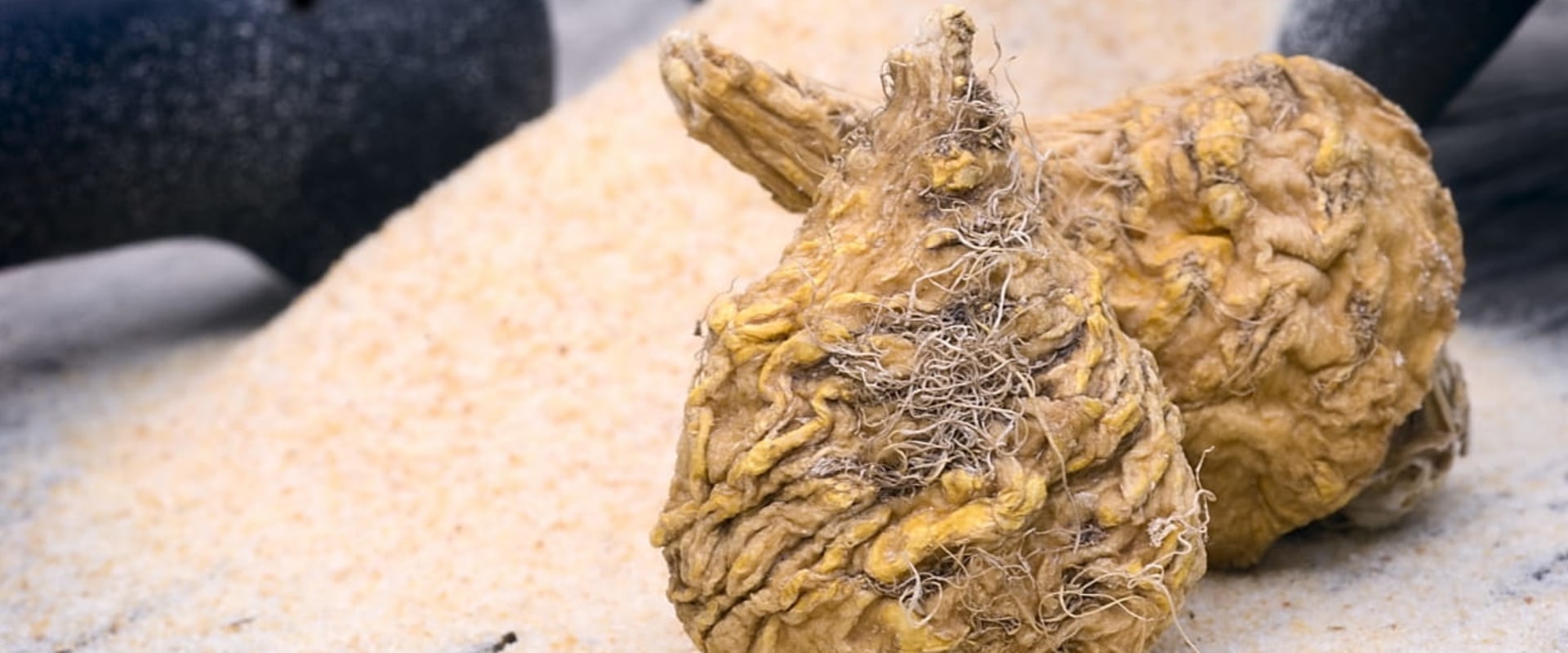
Maca root energy, scientifically known as Maca root energy, scientifically known as energy, scientifically known as Maca root energy, scientifically known as Lepidium meyenii, is a nutrient-rich tuber that has been cultivated in the high altitudes of the Andes mountains in Peru for thousands of years. Traditionally, it has been revered not only as a food source but also for its medicinal properties. The indigenous people of the region have utilized maca root energy to enhance fertility, boost energy levels, and improve overall health. Its unique composition, rich in vitamins, minerals, and amino acids, has made it a staple in traditional medicine. In recent years, maca root energy has gained significant attention in the wellness community and among health enthusiasts worldwide.
This surge in popularity can be attributed to its potential health benefits, which include increased stamina, improved mood, and enhanced libido. As more individuals seek natural alternatives to support their health and well-being, maca root has emerged as a go-to supplement for those looking to harness its adaptogenic properties. Adaptogens are substances that help the body adapt to stress and promote balance within various bodily systems. As a supplement, maca root is available in various forms, including powder, capsules, and extracts, making it accessible for different preferences and lifestyles. Many people incorporate maca root into their daily routines by adding it to smoothies, oatmeal, or energy bars.
However, while the benefits of maca root are promising, it is essential to approach its use with caution—especially when considering potential interactions with medications. Understanding how maca root may interact with prescription or over-the-counter medications is crucial for anyone considering its use. This article will explore these interactions in detail, ensuring that you can make informed decisions about incorporating this powerful root into your health regimen safely.
What is Maca Root?
Maca root
, scientifically known as Lepidium meyenii, is a cruciferous vegetable native to the high Andes mountains of Peru. This remarkable plant has been cultivated for thousands of years, primarily for its edible root, which is rich in nutrients and has gained popularity as a dietary supplement due to its potential health benefits. The maca plant typically grows at altitudes between 3,500 and 4,500 meters (11,500 to 14,800 feet), making it one of the highest cultivated crops in the world. It thrives in harsh conditions, including extreme temperatures and poor soil quality, which contributes to its resilience and unique nutritional profile.
The root itself is usually round or oval-shaped and can vary in color from yellow to red to black, each type believed to have different health benefits. Historically, maca root has been an integral part of the Peruvian diet and culture. Indigenous peoples have utilized it for centuries not only as a food source but also for its medicinal properties. Ancient Incan warriors reportedly consumed maca root before battles to enhance their stamina and strength. This historical significance highlights the root's long-standing reputation as a natural energy booster. In traditional medicine, maca root has been used to address various health issues, including hormonal imbalances, fertility problems, and fatigue.
Its adaptogenic properties are believed to help the body cope with stress and promote overall well-being. Today, maca root is often marketed as a superfood and is available in various forms such as powder, capsules, and extracts. As interest in natural supplements continues to grow, maca root has gained recognition beyond Peru. It is now widely available in health food stores and online retailers around the world. However, while its historical uses are well-documented, ongoing research aims to further understand the full extent of its health benefits and potential interactions with other substances.
Health Benefits of Maca Root
Maca root, scientifically known as Lepidium meyenii, is a nutrient-rich tuber native to the high Andes of Peru.It has been celebrated for centuries for its numerous health benefits, particularly in enhancing energy levels, boosting libido, and promoting hormonal balance. One of the most notable advantages of maca root is its ability to increase energy and stamina. Many athletes and fitness enthusiasts incorporate maca root into their diets to enhance performance and endurance. This is largely attributed to its rich nutrient profile, which includes essential vitamins, minerals, and amino acids that support overall vitality. Regular consumption of maca root may help combat fatigue and improve physical performance, making it an excellent natural alternative to energy drinks or supplements. In addition to its energizing properties, maca root is widely recognized for its potential to enhance libido and sexual function.
Research suggests that maca may help improve sexual desire in both men and women. For men, studies have indicated that maca root can increase sperm count and motility, while women may experience heightened sexual arousal and satisfaction. This libido-boosting effect is believed to stem from maca's ability to balance hormones and improve overall reproductive health. Furthermore, maca root plays a significant role in promoting hormonal balance. It is thought to stimulate the hypothalamus and pituitary glands, which are crucial for hormone production.
This can be particularly beneficial for women experiencing menopause or those with hormonal imbalances. By regulating estrogen levels, maca may alleviate symptoms such as hot flashes, mood swings, and irregular menstrual cycles. Overall, incorporating maca root into your daily routine can lead to improved energy levels, enhanced libido, and better hormonal balance. However, it is essential to consult with a healthcare provider before starting any new supplement regimen, especially if you are currently taking medications or have underlying health conditions.
Understanding Drug Interactions with Maca Root
When considering the incorporation of maca root into your health regimen, understanding its potential interactions with various medications is essential for ensuring safety and efficacy. While maca root is generally regarded as safe for most individuals, its effects on the body can influence how certain medications work, leading to either enhanced effects or adverse reactions. One of the primary concerns regarding maca root drug interactions involves its impact on hormonal balance.Maca root is known for its adaptogenic properties, which can help regulate hormone levels. However, this can pose a risk when combined with hormone replacement therapies or contraceptives. For instance, individuals taking estrogen-based medications may experience heightened effects, potentially leading to side effects such as mood swings or increased risk of blood clots. Additionally, maca root may interact with medications that affect blood pressure. It has been shown to have a mild hypotensive effect, which means it can lower blood pressure.
Therefore, if you are taking antihypertensive drugs, combining them with maca root could result in excessively low blood pressure, leading to dizziness or fainting. It is crucial to monitor your blood pressure regularly if you choose to use maca root alongside these medications. Another area of concern is the interaction between maca root and antidepressants. Maca root has been associated with mood enhancement; however, when taken with selective serotonin reuptake inhibitors (SSRIs) or other antidepressants, it may amplify their effects. This could lead to an imbalance in serotonin levels and result in side effects such as agitation or anxiety. Moreover, individuals on diabetes medications should exercise caution when using maca root.
The supplement may influence insulin sensitivity and glucose metabolism, potentially leading to hypoglycemia when combined with diabetes treatments. Regular monitoring of blood sugar levels is advisable for those managing diabetes while taking maca root. In summary, while maca root offers numerous health benefits, it is vital to be aware of its potential interactions with various medications. Always consult with a healthcare professional before adding maca root to your routine, especially if you are currently taking any prescription drugs. This proactive approach will help ensure that you can safely enjoy the benefits of maca root without compromising your health.
Maca Root and Blood Pressure Medications
When considering the use of maca root as a supplement, it is essential to understand its potential interactions with blood pressure medications.Maca root, known for its adaptogenic properties and ability to enhance energy levels, may also influence blood pressure regulation. This section will explore how maca root interacts with hypertension medications and provide guidance for safe usage.
Understanding Blood Pressure Medications
Blood pressure medications, or antihypertensives, are prescribed to manage high blood pressure (hypertension) and reduce the risk of cardiovascular events. These medications can include:
- Diuretics: Help eliminate excess fluid and sodium from the body.
- ACE inhibitors: Relax blood vessels by inhibiting the enzyme that narrows them.
- Beta-blockers: Reduce heart rate and the force of contraction, lowering blood pressure.
- Calcium channel blockers: Prevent calcium from entering heart and blood vessel cells, leading to relaxed blood vessels.
Maca Root's Effect on Blood Pressure
Maca root has been shown to have a mild hypotensive effect, meaning it can lower blood pressure. While this may be beneficial for some individuals, it poses a risk when combined with antihypertensive medications.
The combination could lead to excessively low blood pressure, resulting in symptoms such as dizziness, fainting, or even shock in severe cases.
Guidelines for Safe Usage
If you are currently taking blood pressure medications and are considering adding maca root to your regimen, it is crucial to take the following precautions:
- Consult Your Healthcare Provider: Before starting maca root, discuss your current medications with your doctor. They can provide personalized advice based on your health status.
- Monitor Blood Pressure Regularly: If you begin taking maca root, keep track of your blood pressure readings. This will help you identify any significant changes that may require adjustments in your medication.
- Start with a Low Dose: If approved by your healthcare provider, begin with a lower dose of maca root and gradually increase it while monitoring your body's response.
- Avoid Sudden Changes: Do not abruptly stop taking your blood pressure medication without consulting your doctor, as this can lead to serious health risks.
Maca Root and Antidepressants: What You Need to Know
When considering the use of maca root alongside antidepressant medications, it is essential to understand the potential interactions and effects on mood.Maca root, known for its adaptogenic properties, has been reported to enhance mood and energy levels. However, when combined with antidepressants, there is a possibility of amplified effects that could lead to unintended consequences. Antidepressants work by altering the balance of neurotransmitters in the brain, particularly serotonin, norepinephrine, and dopamine. These chemicals play a crucial role in regulating mood and emotional well-being. Maca root may also influence these neurotransmitters, potentially enhancing the mood-lifting effects of antidepressants.
While this might sound beneficial, it can lead to an imbalance if not monitored properly.
Potential Risks of Combining Maca Root with Antidepressants
- Serotonin Syndrome: One of the most significant risks when combining maca root with certain antidepressants, especially SSRIs (selective serotonin reuptake inhibitors), is serotonin syndrome. This condition occurs when there is too much serotonin in the brain, leading to symptoms such as confusion, rapid heart rate, and high blood pressure.
- Mood Swings: While maca root may help stabilize mood for some individuals, it can also cause fluctuations in mood when taken with antidepressants. This can result in increased anxiety or depressive symptoms if not carefully managed.
- Dosage Considerations: The dosage of maca root is crucial. Starting with a low dose and gradually increasing it while monitoring mood changes can help mitigate potential risks.
Consulting Healthcare Providers
Before adding maca root to your regimen, it is vital to consult with a healthcare provider.
They can provide personalized advice based on your specific situation and current medications. A healthcare professional can help determine whether maca root is appropriate for you and guide you on safe dosages. In conclusion, while maca root may offer potential benefits for mood enhancement, its interaction with antidepressants warrants caution. Understanding how these substances work together is essential for ensuring safety and maximizing therapeutic effects. Always prioritize open communication with your healthcare provider to navigate these interactions effectively.
Maca Root's Effects on Hormonal Medications
When considering the use of maca root alongside hormonal medications, particularly hormone replacement therapy (HRT), it is essential to understand the potential interactions and implications for health.Maca root, known for its adaptogenic properties, has been traditionally used to support hormonal balance. However, its effects on the endocrine system can complicate its use in conjunction with prescribed hormonal treatments.
Understanding Hormone Replacement Therapy
Hormone replacement therapy is commonly prescribed to alleviate symptoms associated with hormonal imbalances, particularly during menopause. HRT typically involves the administration of estrogen, progesterone, or a combination of both to restore hormonal levels and mitigate symptoms such as hot flashes, mood swings, and vaginal dryness. While HRT can be effective, it is not without risks and side effects.
The Role of Maca Root
Maca root is believed to influence hormone levels by stimulating the hypothalamus and pituitary gland, which play crucial roles in hormone regulation.
This stimulation can lead to increased production of hormones such as estrogen and testosterone. For individuals undergoing HRT, this effect may amplify the treatment's impact or lead to unintended consequences.
Potential Interactions
- Increased Estrogen Levels: For those taking estrogen as part of their HRT regimen, adding maca root could potentially elevate estrogen levels further. This may lead to side effects such as breast tenderness or an increased risk of blood clots.
- Hormonal Imbalance: While maca root is often touted for its ability to balance hormones, its interaction with HRT could disrupt this balance, leading to fluctuations in mood or other hormonal symptoms.
- Monitoring Required: Individuals using both maca root and HRT should be closely monitored by healthcare providers to ensure that hormone levels remain within a safe range.
Consultation with Healthcare Providers
Before incorporating maca root into a regimen that includes hormonal medications, it is crucial to consult with a healthcare provider. They can provide personalized advice based on individual health needs and monitor any changes in symptoms or side effects.
This collaborative approach ensures that both treatments can be used safely and effectively. In summary, while maca root may offer benefits for hormonal balance, caution is warranted when combining it with hormone replacement therapy. Understanding the potential interactions and maintaining open communication with healthcare professionals will help individuals navigate their health journey safely.
Maca Root and Diabetes Medications: A Cautionary Tale
When considering the use of maca root as a supplement, individuals with diabetes should approach it with caution, particularly regarding its potential interactions with diabetes medications. Maca root, known for its various health benefits, may influence blood sugar levels, which can be a significant concern for those managing diabetes. Research indicates that maca root may have a positive effect on insulin sensitivity and glucose metabolism. However, these effects can vary based on individual health conditions and the specific medications being taken.For instance, maca root has been shown to potentially lower blood sugar levels, which could lead to hypoglycemia when combined with certain diabetes medications that also aim to reduce blood sugar. It is essential for individuals taking medications such as metformin or sulfonylureas to monitor their blood sugar levels closely when introducing maca root into their regimen. The combination of these medications with maca could result in unexpectedly low blood sugar levels, leading to symptoms such as dizziness, confusion, or even fainting. Furthermore, the form in which maca root is consumed can also play a role in its effects on blood sugar. For example, maca powder may have different impacts compared to concentrated extracts. Therefore, understanding the dosage and form of maca root is crucial for those managing diabetes. To ensure safe usage of maca root alongside diabetes medications, consider the following precautions:
- Consult Your Healthcare Provider: Before adding maca root to your diet, discuss it with your doctor or a registered dietitian who understands your medical history and current medication regimen.
-
Monitor Blood Sugar Levels: Regularly check your blood sugar levels to observe any changes after starting maca root.
This will help you identify how it affects your body and whether adjustments to your medication are necessary.
- Start with a Low Dose: If you decide to try maca root, begin with a lower dose and gradually increase it while monitoring your body's response.
- Be Aware of Symptoms: Educate yourself about the signs of hypoglycemia and be prepared to take action if you experience symptoms such as shakiness or excessive sweating.
Proper Dosage of Maca Root: Guidelines for Safe Use
When considering the incorporation of maca root into your health regimen, understanding the proper dosage is essential for maximizing its benefits while minimizing potential side effects. Maca root is available in various forms, including powder, capsules, and extracts, each with different recommended dosages.Starting Dosage Recommendations
- For beginners, it is advisable to start with a lower dose to assess tolerance.
A common starting point is 1,500 mg per day.
- This initial dosage can be gradually increased based on individual response and health goals.
- Many users find that a daily intake of 2,000 to 3,000 mg is effective for achieving desired results.
Adjusting Dosage Based on Individual Needs
The optimal dosage of maca root can vary significantly from person to person due to factors such as:
- Age: Younger individuals may require different dosages compared to older adults.
- Health Status: Those with specific health conditions or those taking medications may need to adjust their intake.
- Activity Level: Athletes or highly active individuals might benefit from higher doses due to increased energy demands.
Monitoring for Side Effects
While maca root is generally considered safe, it is important to monitor your body’s response after starting supplementation. Some potential side effects may include:
- Digestive issues such as bloating or gas.
- Headaches or changes in mood.
- Increased heart rate or changes in sleep patterns.
Conclusion
In summary, the proper dosage of maca root is crucial for safe and effective use. Starting with a lower dose and adjusting based on individual needs while monitoring for side effects can help you enjoy the benefits of this powerful supplement without unnecessary risks.
Always consult with a healthcare provider before beginning any new supplement regimen.
<strong>Potential Side Effects of Maca Root</strong>
While maca root is celebrated for its numerous health benefits, it is essential to be aware of the potential side effects that may arise from its use. Understanding these side effects can help users make informed decisions and ensure a safe experience when incorporating maca root into their health regimen.Common Side Effects
- Digestive Issues: Some individuals may experience gastrointestinal discomfort, including bloating, gas, or diarrhea. These symptoms are often mild and can be mitigated by starting with a lower dosage and gradually increasing it.
- Headaches: A few users report experiencing headaches after consuming maca root. This could be due to its stimulating effects on the body or dehydration, so it is crucial to stay well-hydrated while using this supplement.
-
Changes in Mood: Maca root has been linked to mood enhancement; however, some individuals may experience fluctuations in mood or increased anxiety.
Monitoring your emotional state when starting maca root can help identify any adverse reactions.
- Insomnia: Due to its energizing properties, taking maca root too close to bedtime may lead to difficulty sleeping. It is advisable to consume maca root earlier in the day to avoid potential sleep disturbances.
Less Common Side Effects
- Hormonal Changes: Maca root is known for its hormone-balancing effects, but this can lead to unexpected hormonal fluctuations in some individuals. Those with hormone-sensitive conditions should consult a healthcare provider before use.
-
Allergic Reactions: Although rare, some people may have an allergic reaction to maca root. Symptoms can include rash, itching, or swelling.
If any of these occur, discontinue use immediately and seek medical attention.
Precautions and Recommendations
To minimize the risk of side effects, it is recommended to:
- Start with a low dose: Begin with a smaller amount of maca root and gradually increase it as your body adjusts.
- Consult a healthcare professional: Especially if you have pre-existing health conditions or are taking medications that may interact with maca root.
- Monitor your body's response: Keep track of any changes in your health or mood after starting maca root to identify any potential side effects early on.
Continue through the index
Related article
Harnessing the Power of Maca Root to Combat Erectile Dysfunction

Related article
The Impact of Maca Root on Estrogen and Testosterone Levels: A Comprehensive Guide
Related article
Unlocking Energy: The Comprehensive Benefits of Maca Root

Related article