The Impact of Maca Root on Estrogen and Testosterone Levels: A Comprehensive Guide
Explore how maca root influences estrogen and testosterone levels, promoting hormonal balance and overall health. Discover its benefits today!


Maca root, a nutrient-rich tuber native to the high altitudes of the Andes Mountains in Peru, has been revered for centuries for its remarkable health benefits. Traditionally used by indigenous cultures as a food source and medicinal remedy, maca root is now gaining recognition in modern health discussions, particularly for its potential to influence Maca root, a nutrient-rich tuber native to the high altitudes of the Andes Mountains in Peru, has been revered for centuries for its remarkable health benefits. Traditionally used by indigenous cultures as a food source and medicinal remedy, maca root is now gaining recognition in modern health discussions, particularly for its potential to influence hormonal health. As we delve into the intricate relationship between maca root and hormones like estrogen and testosterone, it becomes clear that this ancient superfood holds promise for those seeking natural solutions to hormonal imbalances. The significance of maca root extends beyond its historical use; it is increasingly being studied for its adaptogenic properties, which help the body adapt to stress and maintain equilibrium. This adaptability is crucial in today’s fast-paced world, where many individuals experience hormonal fluctuations due to lifestyle factors, environmental stressors, and dietary choices. , it becomes clear that this ancient superfood holds promise for those seeking natural solutions to hormonal imbalances. The significance of maca root extends beyond its historical use; it is increasingly being studied for its adaptogenic properties, which help the body adapt to stress and maintain equilibrium. This adaptability is crucial in today’s fast-paced world, where many individuals experience hormonal fluctuations due to lifestyle factors, environmental stressors, and dietary choices.
By nourishing the endocrine system, maca root may play a vital role in regulating hormone levels, thereby addressing issues such as mood swings, fatigue, and reproductive health. In recent years, scientific research has begun to uncover the mechanisms through which maca root affects hormonal balance. Studies suggest that it may enhance the body’s natural production of estrogen and testosterone, leading to improved energy levels, libido, and overall well-being. As we explore the multifaceted benefits of maca root throughout this article, we will highlight its potential applications for various conditions related to hormonal health, including menopause symptoms and fertility challenges. As we embark on this journey to understand how maca root can support hormonal balance, it is essential to recognize its rich history and cultural significance. By integrating traditional wisdom with contemporary scientific insights, we can appreciate the full spectrum of benefits that maca root offers for those seeking to enhance their hormonal health naturally.
What is Maca Root?
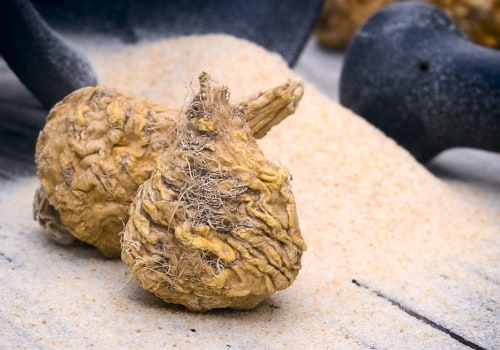
Maca root
, scientifically known as Lepidium meyenii, is a cruciferous vegetable native to the high altitudes of the Andes Mountains in Peru.
This ancient superfood has been cultivated for over 2,000 years and has played a significant role in the diet and traditional medicine of indigenous Peruvian cultures. Often referred to as "Peruvian ginseng," maca root is not actually related to ginseng but is celebrated for its adaptogenic properties, which help the body adapt to stress and maintain balance. The root of the maca plant is typically dried and ground into a powder, which can be consumed in various forms, including capsules, extracts, or added to smoothies and baked goods. Its unique flavor profile, often described as nutty or earthy, makes it a versatile ingredient in both culinary and health applications.
Nutritional Profile of Maca Root
Maca root is renowned for its impressive nutritional composition. It is rich in essential vitamins and minerals, including:- Vitamins: Maca root contains vitamins B1 (thiamine), B2 (riboflavin), B3 (niacin), C, and E, all of which play vital roles in energy production and overall health.
- Minerals: It is a good source of calcium, potassium, iron, magnesium, phosphorus, and zinc, contributing to bone health, muscle function, and immune support.
- Amino Acids: Maca root provides all eight essential amino acids necessary for protein synthesis and muscle repair.
- Antioxidants: The root is packed with antioxidants that help combat oxidative stress and inflammation in the body.
Traditional Uses of Maca Root
Historically, maca root has been used for various purposes beyond nutrition.Indigenous peoples have utilized it as a natural remedy for enhancing fertility, boosting energy levels, and improving stamina. It was also traditionally consumed by warriors before battle to increase strength and endurance. Today, maca root continues to be valued for its potential health benefits, particularly in relation to hormonal balance. In summary, understanding what maca root is—its origin, nutritional profile, and traditional uses—provides valuable insight into its potential effects on hormone levels. As research continues to explore its benefits further, maca root remains a popular choice for those seeking natural ways to support their health.
The Science Behind Maca Root and Hormones
Maca root, scientifically known as Lepidium meyenii, has garnered attention for its potential effects on hormonal health, particularly concerning estrogen and testosterone levels.Understanding the science behind these effects requires a closer look at how maca interacts with the endocrine system, which is responsible for hormone production and regulation. Research indicates that maca root may influence hormone levels without directly containing hormones itself. Instead, it is thought to work by stimulating the hypothalamus and pituitary gland, which play crucial roles in hormone regulation. This stimulation can lead to an increase in the production of hormones such as estrogen and testosterone, thereby promoting hormonal balance.
Maca Root and Estrogen Levels
Several studies have explored the impact of maca root on estrogen levels. For instance, a study published in the journal Menopause found that postmenopausal women who consumed maca experienced improvements in symptoms associated with low estrogen levels, such as hot flashes and mood swings.The adaptogenic properties of maca may help the body adapt to hormonal fluctuations, potentially leading to a more stable hormonal environment. Moreover, maca root is rich in phytonutrients that may mimic estrogen in the body. This can be particularly beneficial for women experiencing menopause or those with conditions like polycystic ovary syndrome (PCOS), where estrogen levels can be imbalanced. By supporting estrogen production and function, maca may help alleviate some of the discomfort associated with these hormonal changes.
Maca Root and Testosterone Levels
The effects of maca on testosterone levels have also been a subject of interest. Research has shown that men who incorporate maca root into their diet may experience increased libido and improved sexual function.A study published in the journal Andrologia reported that men taking maca experienced significant improvements in sexual desire and performance after just a few weeks of supplementation. This increase in testosterone levels is believed to be linked to maca's ability to enhance energy levels and reduce stress, both of which are crucial for maintaining healthy testosterone production. Additionally, by supporting overall endocrine function, maca may help mitigate factors that contribute to low testosterone levels, such as chronic stress or poor diet. In summary, the science surrounding maca root suggests that it can play a significant role in promoting hormonal balance. By influencing both estrogen and testosterone levels through its action on the endocrine system, maca root offers a natural approach to managing hormonal health. However, further research is needed to fully understand its mechanisms and long-term effects on hormone regulation.
Effects of Maca Root on Estrogen Levels
Maca root, a powerful adaptogen, has garnered attention for its potential to influence estrogen levels in the body, particularly among women experiencing hormonal fluctuations.Understanding how maca root interacts with estrogen can provide valuable insights for those seeking to manage symptoms associated with hormonal imbalances, especially during menopause. One of the primary ways maca root affects estrogen is through its ability to support the endocrine system. This system is responsible for hormone production and regulation, and by nourishing it, maca root may help restore balance to estrogen levels. This is particularly beneficial for women undergoing menopause, a phase characterized by a natural decline in estrogen production.
Benefits of Maca Root for Menopause Symptoms
During menopause, many women experience a range of uncomfortable symptoms due to fluctuating estrogen levels. These can include:- Hot flashes
- Night sweats
- Mood swings
- Vaginal dryness
- Sleep disturbances
For instance, studies have indicated that women who incorporate maca root into their diets report fewer hot flashes and improved mood stability. This could be attributed to maca's ability to modulate estrogen levels without directly containing hormones itself. Moreover, maca root is rich in phytonutrients that may mimic the effects of estrogen in the body. This can be particularly advantageous for women whose bodies are producing less estrogen during menopause. By providing a natural source of compounds that support estrogen-like activity, maca root can help ease the transition through this life stage.
Addressing Hormonal Imbalances Beyond Menopause
While menopause is a significant period where estrogen balance is crucial, many women experience hormonal imbalances at various life stages due to factors such as stress, diet, and lifestyle choices.Maca root's adaptogenic properties can help the body adapt to these stressors, potentially leading to improved hormonal health overall. Incorporating maca root into your daily routine can be as simple as adding it to smoothies, oatmeal, or baked goods. However, it’s essential to consult with a healthcare professional before starting any new supplement regimen, especially if you have existing health conditions or are taking medications. In summary, the effects of maca root on estrogen levels present a promising avenue for women seeking relief from menopause symptoms and other hormonal imbalances. Its ability to support the endocrine system and provide phytonutrients that mimic estrogen activity makes it a valuable addition to holistic health practices aimed at achieving hormonal balance.
Effects of Maca Root on Testosterone Levels
Maca root, a powerful adaptogen native to the Andes mountains, has garnered attention for its potential effects on testosterone levels in men. This ancient superfood is not only celebrated for its nutritional profile but also for its ability to support hormonal balance, particularly testosterone, which plays a crucial role in male health. Research indicates that maca root may help enhance testosterone production, which can lead to various benefits for men.One of the most significant advantages is its potential to improve male fertility. Studies have shown that regular consumption of maca root can increase sperm count and motility, making it a valuable supplement for couples trying to conceive. The root's rich nutrient content, including amino acids and essential fatty acids, contributes to improved reproductive health. In addition to boosting fertility, maca root is known for its positive impact on libido. Many men report an increase in sexual desire after incorporating maca into their diet.
This effect is likely due to the root's ability to balance hormones and enhance blood flow, which can lead to improved sexual function and satisfaction. Moreover, maca root may also contribute to overall vitality and energy levels. By supporting the endocrine system and promoting healthy testosterone levels, it can help combat fatigue and improve physical performance. This makes it an appealing option for athletes and those looking to enhance their stamina. While the exact mechanisms by which maca root influences testosterone levels are still being studied, its adaptogenic properties suggest that it helps the body manage stress effectively. Stress is known to negatively impact hormone production, including testosterone; thus, by reducing stress levels, maca may indirectly support healthy testosterone levels. In summary, incorporating maca root into your daily routine could offer numerous benefits related to testosterone levels.
From enhancing male fertility and libido to boosting overall vitality, this ancient superfood presents a natural approach to improving hormonal health. However, as with any supplement, it is advisable to consult with a healthcare professional before starting a new regimen.
Maca Root for Hormonal Balance: Benefits and Uses
Maca root, a powerful adaptogen, has been celebrated for its ability to promote hormonal balance in both men and women. This ancient superfood is rich in essential nutrients that support the endocrine system, which is responsible for hormone production and regulation. Understanding the benefits and practical uses of maca root can empower individuals to address hormonal imbalances effectively.Benefits of Maca Root for Hormones
-
Regulation of Hormone Levels: Maca root is known to help stabilize estrogen and testosterone levels, making it beneficial for those experiencing symptoms related to hormonal fluctuations.
For women, this can mean relief from PMS, irregular menstrual cycles, and menopause symptoms. For men, maca can enhance testosterone production, which may improve energy levels and libido.
- Enhanced Fertility: Research suggests that maca root may improve fertility in both genders. In men, it can increase sperm count and motility, while in women, it may help regulate ovulation and menstrual cycles.
- Improved Mood and Energy: By balancing hormones, maca root can also positively affect mood stability and energy levels. Many users report feeling more energetic and less prone to mood swings after incorporating maca into their diets.
-
Support During Menopause: Women undergoing menopause often face a decline in estrogen levels, leading to various uncomfortable symptoms.
Maca root has been shown to alleviate hot flashes, night sweats, and mood changes associated with this transition.
Uses of Maca Root
Maca root can be consumed in several forms, making it easy to incorporate into daily routines:
- Maca Powder: This versatile form can be added to smoothies, oatmeal, or baked goods. A typical serving ranges from 1 to 3 teaspoons per day.
- Capsules or Tablets: For those who prefer a more convenient option, maca root is available in capsule form. Dosages typically range from 500 mg to 2000 mg daily.
- Tinctures or Extracts: Liquid extracts provide a concentrated dose of maca's beneficial compounds and can be added to water or juice.
As always, consult with a healthcare professional before starting any new supplement to ensure it aligns with your individual health needs.
How to Incorporate Maca Root into Your Diet
Incorporating maca root into your daily diet can be a simple and enjoyable process. This versatile superfood can be added to a variety of meals and snacks, making it easy to reap its numerous health benefits. Below are some effective ways to use maca root, along with dosage recommendations to help you get started.Dosage Recommendations
When it comes to maca root, finding the right dosage is essential for maximizing its benefits. The typical recommended dosage ranges from 500 mg to 2000 mg per day , depending on individual health goals and needs.It’s advisable to start with a lower dose and gradually increase it while monitoring how your body responds. Here are some general guidelines:
- Beginner: Start with 500 mg per day.
- Intermediate: Increase to 1000 mg per day after one week.
- Advanced: If well-tolerated, you can go up to 2000 mg per day.
Creative Ways to Use Maca Root
Maca root is available in various forms, including powder, capsules, and extracts. The powder form is particularly popular due to its versatility in cooking and baking. Here are some creative ways to incorporate maca root into your meals:-
Smoothies: Add 1-2 teaspoons of maca powder to your favorite smoothie recipe for an energy boost.
It pairs well with fruits like bananas, berries, and spinach.
- Baking: Incorporate maca powder into baked goods such as muffins, pancakes, or energy bars. Replace a small portion of flour with maca powder for added nutrition.
- Oatmeal: Stir in a teaspoon of maca powder into your morning oatmeal or overnight oats for a nutritious start to your day.
- Coffee or Tea: Mix maca powder into your coffee or tea for an earthy flavor and added health benefits. It can enhance the taste while providing an energy lift without the jitters associated with caffeine.
- Soups and Stews: Add maca powder to soups or stews during cooking for an extra nutrient boost without altering the flavor significantly.
Potential Side Effects and Considerations
While maca root is celebrated for its numerous health benefits, it is essential to be aware of potential side effects and considerations before incorporating it into your routine.Understanding these aspects can help ensure a safe and effective experience with this powerful supplement.
Potential Side Effects of Maca Root
Although maca root is generally considered safe for most people, some individuals may experience side effects. Commonly reported side effects include:- Digestive Issues: Some users may experience gastrointestinal discomfort, including bloating, gas, or diarrhea, particularly when consuming high doses of maca root.
- Hormonal Changes: Since maca root can influence hormone levels, individuals with hormone-sensitive conditions, such as breast cancer or prostate cancer, should exercise caution.
- Insomnia: Due to its energizing properties, taking maca root late in the day may lead to difficulty sleeping for some individuals.
- Headaches: A few users have reported headaches after starting maca root supplementation, possibly due to changes in hormone levels or blood pressure.
Precautions with Maca Root
Before starting any new supplement, including maca root, it is crucial to consider the following precautions:- Consult a Healthcare Professional: Always consult with a healthcare provider before adding maca root to your regimen, especially if you are pregnant, nursing, or have pre-existing health conditions.
- Start with a Low Dose: If you are new to maca root, begin with a lower dose to assess your body's response before gradually increasing it.
- Avoid Excessive Use: Stick to recommended dosages (typically between 500-2000mg per day) to minimize the risk of side effects.
Who Should Avoid Maca Root?
Certain individuals should avoid or limit their use of maca root:- People with Hormone-Sensitive Conditions: Those with conditions like breast cancer or endometriosis should consult their doctor before using maca root due to its potential hormonal effects.
- Pregnant or Nursing Women: While some women use maca during pregnancy for its nutritional benefits, it is best to seek medical advice first.
- Individuals on Hormonal Medications: If you are taking medications that affect hormone levels, discuss the use of maca root with your healthcare provider to avoid interactions.
Frequently Asked Questions about Maca Root and Hormones
As interest in maca root continues to grow, many individuals have questions regarding its effects on hormones and overall health. Below are some of the most frequently asked questions about maca root and its relationship with hormonal balance.What is maca root?
Maca root is a cruciferous vegetable native to the Andes Mountains of Peru.It has been used for centuries as a natural remedy for various health issues, particularly those related to hormonal balance, energy levels, and fertility. The root is typically consumed in powder form, capsules, or extracts.
How does maca root affect estrogen levels?
Maca root is believed to help balance estrogen levels in the body. While it does not contain hormones itself, it may support the endocrine system, which regulates hormone production. This can be particularly beneficial for women experiencing symptoms of menopause or hormonal imbalances.Can maca root increase testosterone levels?
Research suggests that maca root may have a positive effect on testosterone levels in men.Some studies indicate that regular consumption of maca can enhance libido and improve sperm quality, potentially linked to increased testosterone production.
Is maca root safe for everyone?
While maca root is generally considered safe for most people, it is essential to consult with a healthcare professional before starting any new supplement, especially for those with existing health conditions or those taking medications. Pregnant or breastfeeding women should also seek medical advice before using maca root.How should I take maca root for hormonal balance?
The recommended dosage of maca root varies depending on individual needs and health goals. Typically, doses range from 500 mg to 2000 mg per day. It can be added to smoothies, oatmeal, or taken in capsule form.Starting with a lower dose and gradually increasing it can help assess tolerance.
Are there any side effects associated with maca root?
Maca root is generally well-tolerated; however, some individuals may experience mild side effects such as digestive upset or headaches. If any adverse reactions occur, it is advisable to discontinue use and consult a healthcare provider. In summary, maca root offers potential benefits for hormone balance and overall health. By addressing these common questions, we hope to provide clarity and encourage informed decisions regarding its use.Conclusion: The Role of Maca Root in Hormonal Health
In summary, the exploration of maca root and its effects on hormonal health reveals a wealth of potential benefits that can significantly enhance well-being. As we have discussed, maca root is not just a simple supplement; it is a powerful adaptogen that can help the body achieve hormonal balance, particularly concerning estrogen and testosterone levels. The ability of maca root to influence hormone levels stems from its rich nutrient profile, which includes essential vitamins, minerals, and amino acids.These components work synergistically to support the endocrine system, thereby promoting optimal hormone production and regulation. This is particularly beneficial for individuals experiencing hormonal imbalances due to various factors such as stress, aging, or lifestyle choices. Moreover, the positive effects of maca root extend beyond mere hormonal balance. It has been shown to alleviate symptoms associated with menopause, enhance fertility in both men and women, and boost energy levels. The adaptogenic properties of maca root allow it to help the body cope with stress more effectively, which is crucial for maintaining overall health. As we conclude this discussion on maca root's role in hormonal health, it is essential to recognize that while many individuals have reported significant improvements in their symptoms after incorporating maca root into their routines, scientific research is still ongoing.
Therefore, it is advisable for anyone considering this natural remedy to consult with a healthcare professional to ensure it aligns with their specific health needs. Incorporating maca root into your daily regimen could be a transformative step towards achieving better hormonal health. Whether you are looking to balance your hormones, enhance your fertility, or simply improve your overall vitality, maca root offers a natural solution worth exploring. As always, understanding your body’s unique needs and responding accordingly will lead to the best outcomes in your journey toward optimal health.
Continue through the index

Related article
Enhancing Physical Performance with Maca Root

Related article
Unlocking the Power of Maca Root: Comprehensive Benefits for Weight Loss

Related article
Boosting Energy Levels with Maca Root: Transform Your Health with This Superfood
Related article