Unlocking the Power of Maca Root: Comprehensive Insights into Its Antioxidant Benefits
Discover the antioxidant benefits of maca root, its role in hormone balance, and how to incorporate it into your diet for better health.

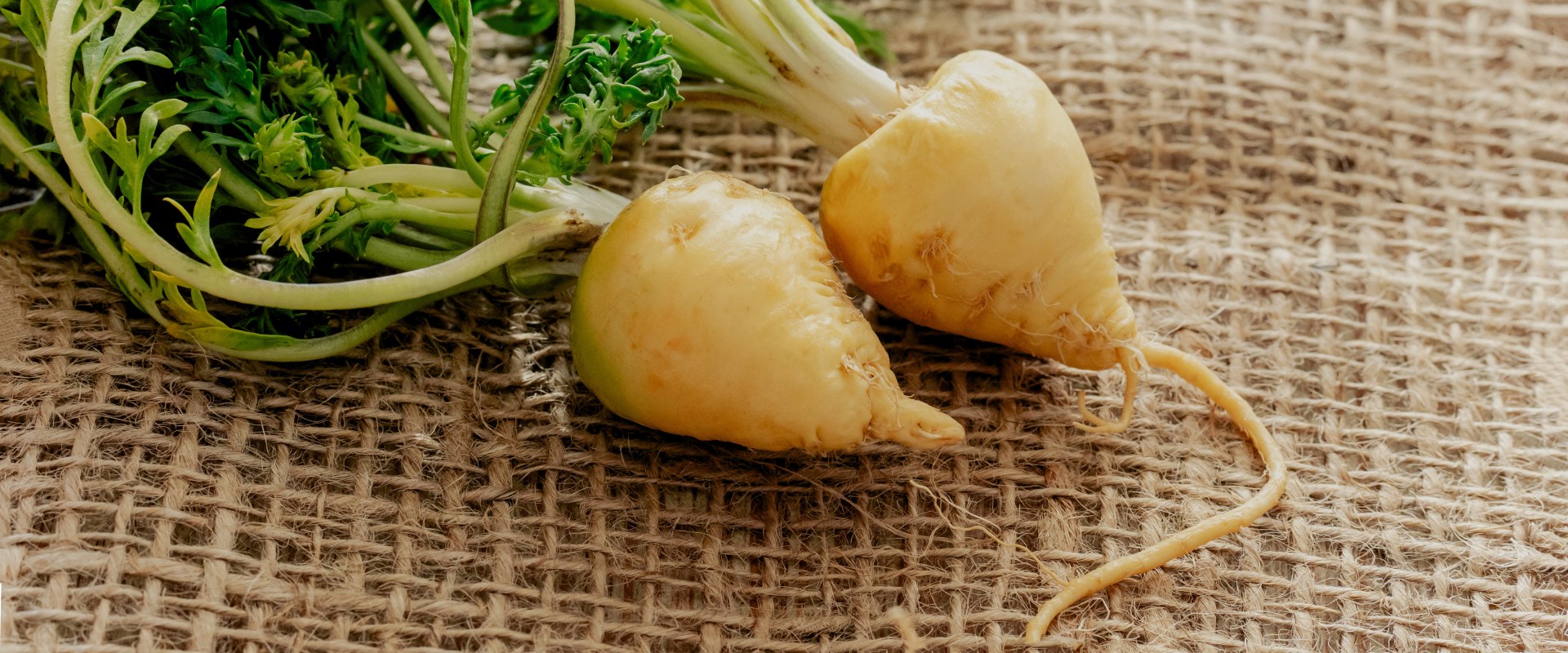
Maca root, scientifically known as Lepidium meyenii, is a remarkable superfood that has captured the attention of health enthusiasts and researchers alike. This root vegetable, native to the high altitudes of the Andes mountains in Peru, has been cultivated for over 2,000 years. Traditionally, it was used by indigenous populations not only as a staple food source but also for its medicinal properties. The historical significance of maca root is profound; it was revered for its ability to enhance stamina, energy, and overall vitality, making it a crucial part of the diet for those living in harsh mountainous conditions.
Interestingly, many modern recipes incorporate maca root into dishes like pasta, where it can be paired with marinara sauce for added Interestingly, many modern recipes incorporate maca root into dishes like pasta, where it can be paired with marinara sauce for added nutritional benefits.What makes Interestingly, many modern recipes incorporate maca root into dishes like pasta, where it can be paired with marinara sauce for added nutritional benefits. What makes maca root particularly fascinating is its impressive nutritional profile. Rich in essential vitamins and minerals, maca root contains a variety of nutrients that contribute to its status as a superfood. It is packed with vitamins such as B6 and C, as well as minerals like iron, calcium, and magnesium. Additionally, maca root is a source of amino acids, which are vital for protein synthesis and overall bodily function.
This unique combination of nutrients not only supports physical health but also plays a role in enhancing mental clarity and emotional well-being. Furthermore, maca root is known for its high content of bioactive compounds, including glucosinolates and polyphenols. These compounds are believed to be responsible for many of the health benefits associated with maca root, particularly its antioxidant properties. By neutralizing free radicals in the body, these antioxidants help protect cells from oxidative stress and inflammation, which are linked to various chronic diseases. In summary, understanding the origins and nutritional composition of maca root provides valuable insight into why this ancient superfood has remained relevant in modern health discussions. Its rich history combined with its potent nutrient profile makes maca root a compelling addition to any diet aimed at improving overall health and vitality.
The Antioxidant Properties of Maca Root
Maca root is not just a nutritional powerhouse; it is also a remarkable source of antioxidants that play a crucial role in maintaining our health.One of the primary groups of antioxidants found in maca root are polyphenols. These compounds are known for their ability to combat oxidative stress, which is caused by an imbalance between free radicals and antioxidants in the body. Free radicals are unstable molecules that can damage cells, proteins, and DNA, leading to various health issues, including chronic diseases and accelerated aging. The presence of polyphenols in maca root helps neutralize these harmful free radicals, thereby reducing oxidative stress and its associated risks. Research has shown that the antioxidant properties of maca root can contribute to improved overall health. For instance, studies indicate that regular consumption of maca may enhance the body's natural defense mechanisms, making it more resilient against environmental stressors and diseases.
This is particularly important in today's world, where exposure to pollutants and unhealthy lifestyles can increase oxidative stress levels. In addition to polyphenols, maca root contains other beneficial compounds such as flavonoids and glucosinolates. These compounds work synergistically with polyphenols to enhance the antioxidant capacity of maca root. Flavonoids, for example, are known for their anti-inflammatory properties, which can further support the body's ability to fight off oxidative damage. Moreover, the antioxidant benefits of maca root extend beyond cellular protection. They may also play a role in promoting heart health by improving blood circulation and reducing inflammation.
A healthy cardiovascular system is essential for overall well-being, and incorporating maca root into your diet could be a simple yet effective way to support heart health. To maximize the antioxidant benefits of maca root, consider incorporating it into your daily routine. Whether you choose to add maca powder to smoothies, oatmeal, or baked goods, you can easily enjoy its health-promoting properties while enhancing your meals. In summary, the antioxidant properties of maca root, particularly its rich content of polyphenols and other beneficial compounds, make it a valuable addition to any diet. By fighting free radicals and reducing oxidative stress, maca root not only supports cellular health but also contributes to overall wellness.
Health Benefits of Maca Root: A Closer Look
Maca root is not just a trendy superfood; it is a powerhouse of health benefits that can significantly enhance your well-being. One of the most notable advantages of maca root is its ability to support hormone balancehormone balance.Hormonal fluctuations can lead to a variety of issues, including mood swings, fatigue, and reproductive health concerns. Research suggests that maca root may help regulate hormone levels by acting as an adaptogen, which means it helps the body adapt to stress and maintain equilibrium. A study published in the journal Menopause found that women who consumed maca experienced a reduction in menopausal symptoms, such as hot flashes and night sweats, indicating its potential role in hormonal health. In addition to its effects on hormones, maca root is also renowned for its ability to boost energy levels. Many athletes and fitness enthusiasts incorporate maca into their diets for this very reason.
The root is rich in essential nutrients, including vitamins B1, B2, C, and E, as well as minerals like calcium, magnesium, and iron. These nutrients contribute to improved stamina and endurance. A study conducted on male cyclists showed that those who consumed maca experienced enhanced performance and reduced fatigue during exercise. This makes maca an excellent natural alternative to energy drinks or supplements. Furthermore, maca root has been linked to improved mental clarity and focus.
The nutrients found in maca may support cognitive function by enhancing memory and concentration. This can be particularly beneficial for individuals facing high-stress environments or those looking to improve their productivity. Overall, the health benefits of maca root extend beyond just hormone balance and energy enhancement. Its rich nutrient profile supports overall wellness by promoting better mood regulation, enhancing physical performance, and potentially improving sexual health. As with any supplement, it’s essential to consult with a healthcare professional before adding maca root to your routine to ensure it aligns with your individual health needs.
Maca Root and Hormonal Balance: What You Need to Know
Maca root has garnered attention for its potential role in promoting hormonal balance, particularly among women experiencing menopause and individuals seeking to enhance their libido.Understanding how maca root interacts with our hormonal systems can provide valuable insights into its benefits. For women navigating the challenges of menopause , maca root may offer a natural solution to alleviate some of the discomforts associated with this transitional phase. Symptoms such as hot flashes, mood swings, and sleep disturbances can significantly impact quality of life. Research suggests that maca root may help mitigate these symptoms by supporting hormonal regulation. Its adaptogenic properties allow it to help the body adapt to stressors, potentially leading to a more balanced hormonal environment. In a study published in the journal Menopause, women who consumed maca root reported a reduction in menopausal symptoms, including improved mood and decreased hot flashes.
This suggests that incorporating maca root into the diet could be beneficial for those seeking relief during this time. Moreover, maca root is not only beneficial for women; it also holds promise for enhancing libido in both men and women. Traditionally regarded as an aphrodisiac, maca root has been used for centuries to boost sexual desire and performance. Its ability to support hormonal balance may play a crucial role in this regard. For men, maca root may improve sperm quality and increase testosterone levels, which can contribute to enhanced sexual function. A study published in the journal Andrologia found that men who took maca supplements experienced increased libido and improved sexual performance compared to those who did not. In summary, the potential benefits of maca root for hormonal balance, particularly during menopause and for enhancing libido, make it a valuable addition to many diets.
However, as with any supplement, it is essential to consult with a healthcare professional before starting any new regimen to ensure it aligns with individual health needs.
Incorporating Maca Root into Your Diet
Incorporating maca root into your daily diet can be both enjoyable and beneficial. This versatile superfood can be added to a variety of dishes, making it easy to reap its health benefits. Here are some practical ways to use maca root, along with delicious recipe ideas and dosage recommendations.How to Use Maca Root
Maca root is available in several forms, including powder, capsules, and liquid extracts. The most common form is the powder, which can be easily mixed into various foods and beverages.Here are some popular methods for incorporating maca root into your meals:
- Smoothies: Add 1-2 teaspoons of maca powder to your favorite smoothie recipe. It pairs well with fruits like bananas, berries, and spinach.
- Oatmeal: Stir in a teaspoon of maca powder into your morning oatmeal or overnight oats for an extra nutritional boost.
- Baking: Incorporate maca powder into baked goods such as muffins, energy balls, or brownies. Replace a small portion of the flour in your recipes with maca powder.
- Soups and Stews: Add a tablespoon of maca powder to soups or stews during cooking for added flavor and nutrition.
Recipe Ideas with Maca Root
Here are a couple of simple recipes that highlight the use of maca root:- Maca Banana Smoothie: Blend 1 banana, 1 cup of almond milk, 1 tablespoon of almond butter, and 1 teaspoon of maca powder until smooth. Enjoy as a nutritious breakfast or snack.
-
Maca Energy Balls: Combine 1 cup of oats, 1/2 cup of nut butter, 1/4 cup of honey or maple syrup, and 2 tablespoons of maca powder.
Roll into bite-sized balls and refrigerate for a quick energy boost.
Maca Root Dosage Recommendations
When it comes to dosage, it’s essential to start small and gradually increase your intake. A common recommendation is:- Begin with 1 teaspoon (about 3 grams) of maca powder per day.
- After a week, you can increase the dosage to 2 teaspoons (about 6 grams) if you tolerate it well.
Potential Side Effects and Considerations When Using Maca Root
While maca root is widely regarded as a safe and beneficial supplement, it is essential to be aware of potential side effects and considerations before incorporating it into your diet. Understanding these factors can help you make informed decisions about your health.Potential Side Effects of Maca Root
Most individuals tolerate maca root well, but some may experience mild side effects.Commonly reported issues include:
- Digestive Discomfort: Some users may experience bloating, gas, or stomach cramps, particularly when consuming large amounts of maca root. Starting with a small dose and gradually increasing it can help mitigate these effects.
- Headaches: A few individuals have reported headaches after taking maca root, which may be due to its stimulating properties. If you are prone to headaches, monitor your intake closely.
- Insomnia: Due to its energizing effects, consuming maca root late in the day may interfere with sleep patterns. It is advisable to take it in the morning or early afternoon.
Who Should Avoid Maca Root?
While many people can safely enjoy the benefits of maca root, certain groups should exercise caution:- Individuals with Hormonal Disorders: Those with conditions such as estrogen-sensitive cancers or thyroid issues should consult a healthcare professional before using maca root, as it may influence hormone levels.
- Pregnant and Nursing Women: Although maca is considered safe for most people, pregnant or breastfeeding women should seek medical advice before adding it to their diet.
- People with Allergies: If you have known allergies to cruciferous vegetables (like broccoli or cabbage), you may want to avoid maca root, as it belongs to the same family.
Safety of Maca Root Supplements
The market offers various forms of maca root, including powders, capsules, and liquid extracts.When choosing a supplement, consider the following:
- Quality and Source: Opt for products from reputable brands that provide transparency about sourcing and manufacturing processes. Organic options are often preferable.
- Dosing Guidelines: Follow recommended dosages on product labels or consult a healthcare provider for personalized advice. Starting with lower doses can help assess tolerance.
Conclusion: The Promise of Maca Root for Health and Wellness
In summary, maca root stands out as a remarkable superfood that offers a plethora of health benefits, particularly due to its rich antioxidant properties.As we have explored throughout this article, the unique composition of maca root, including its high levels of polyphenols, plays a crucial role in combating oxidative stress and protecting our cells from damage caused by free radicals. Moreover, the potential of maca root extends beyond just its antioxidant capabilities. Its ability to support hormonal balance makes it an appealing option for individuals experiencing hormonal fluctuations, whether due to menopause, stress, or other factors. By incorporating maca root into your daily routine, you may find relief from symptoms such as mood swings and low libido. Additionally, the implications of maca root for fertility are noteworthy. Research suggests that it may enhance reproductive health by improving sperm quality in men and promoting ovulation in women.
This makes it a valuable addition for couples trying to conceive. As we consider the broader spectrum of health and wellness, it is essential to recognize that while maca root offers numerous benefits, it should be viewed as a complementary approach rather than a standalone solution. A balanced diet, regular exercise, and a healthy lifestyle are fundamental components of overall well-being. Before introducing maca root into your regimen, consulting with a healthcare professional is advisable to ensure it aligns with your individual health needs. Listening to your body’s responses is equally important; if you experience any adverse effects, it may be wise to adjust your intake or discontinue use. In conclusion, the promise of maca root for enhancing health and wellness is significant. With its rich nutrient profile and potential benefits ranging from antioxidant support to hormonal balance and fertility enhancement, maca root is certainly worth considering as part of a holistic approach to health.
Embrace the power of this ancient superfood and explore how it can contribute positively to your life.
Continue through the index
Related article
Enhancing Libido and Sexual Desire with Maca Root: A Comprehensive Guide

Related article
Unlocking the Power of Maca Root for Female Fertility: A Comprehensive Guide to Boosting Conception Chances
Related article
Maca Root: The Natural Solution for Enhancing Mood and Sleep Quality
Related article