Reducing Hot Flashes and Night Sweats with Maca Root: A Comprehensive Guide
Discover how maca root can help reduce hot flashes and night sweats during menopause. A comprehensive guide to natural relief.


Menopause is a natural biological process that marks the end of a woman's reproductive years, typically occurring between the ages of 45 and 55. This transition is characterized by significant hormonal changes, particularly a decrease in estrogen and progesterone levels, which can lead to a variety of physical and emotional symptoms. Understanding these changes is crucial for women navigating this phase of life, as it can help them manage their symptoms more effectively. Among the most common symptoms of menopause are hot flashes and night sweats. Hot flashes, often accompanied by sweating and a rapid heartbeat, can be unpredictable and vary in intensity, making them one of the most challenging aspects of menopause. Incorporating maca root energymaca root energy into your daily routine may help alleviate these symptoms.
Night sweats, on the other hand, are episodes of excessive sweating during sleep that can disrupt rest and lead to fatigue during the day. Both symptoms are primarily caused by hormonal fluctuations that affect the body's temperature regulation. In addition to hot flashes and night sweats, women may experience other menopause symptoms such as mood swings, sleep disturbances, weight gain, and vaginal dryness. These changes can significantly impact daily life and overall well-being. The emotional toll of menopause should not be underestimated; many women report feelings of anxiety or depression during this time due to the physical changes they are experiencing. As women seek relief from these uncomfortable symptoms, many are turning to natural remedies like maca root.
This ancient superfood has gained attention for its potential to balance hormones and alleviate some of the discomfort associated with menopause. In the following sections, we will explore how maca root can serve as a valuable ally in managing menopause symptoms, helping women regain control over their bodies and improve their quality of life.
What is Maca Root?
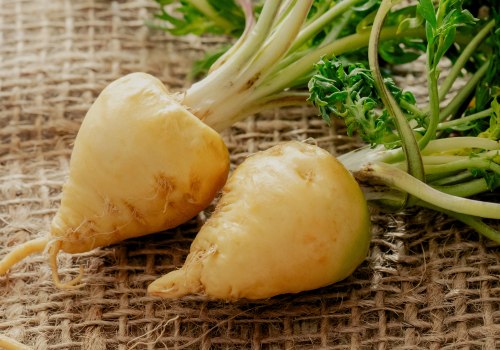
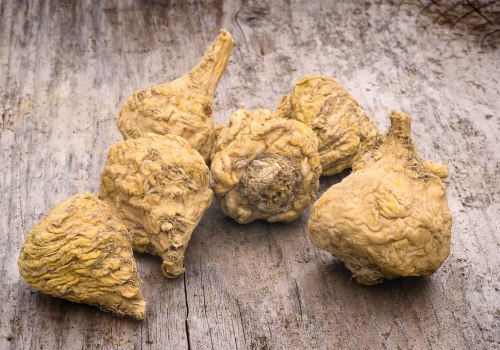
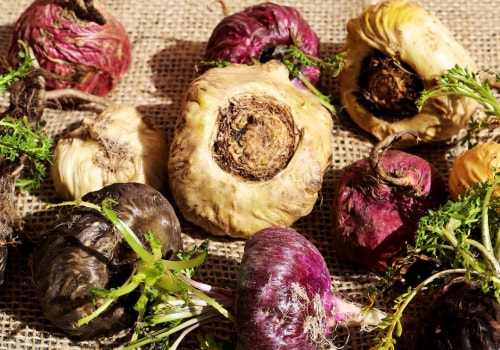
Maca root, scientifically known as Lepidium meyenii, is a cruciferous vegetable that has been cultivated for thousands of years in the high altitudes of the Andes Mountains in Peru. This resilient plant thrives in harsh conditions, making it a staple food source for local populations. Traditionally, maca root has been used not only as a food source but also as a medicinal herb, revered for its numerous health benefits. The nutritional profile of maca root is impressive.It is rich in essential vitamins and minerals, including vitamin C, copper, and iron. Additionally, maca root contains a variety of bioactive compounds such as glucosinolates and polyphenols, which are believed to contribute to its health-promoting properties. The root is also a good source of carbohydrates and protein, making it an excellent energy booster. Historically, maca root has been utilized by indigenous peoples for various purposes. Ancient Incan warriors consumed it before battles to enhance their stamina and strength.
It was also used to improve fertility and sexual function among both men and women. Today, maca root is gaining popularity worldwide as a natural supplement for hormone balance, energy enhancement, and overall wellness. In addition to its historical significance, modern research has begun to uncover the potential benefits of maca root. Studies suggest that it may help alleviate symptoms associated with menopause, such as hot flashes and night sweats, by supporting hormonal balance. Furthermore, its adaptogenic properties may assist the body in managing stress more effectively. Overall, understanding what maca root is and its rich history provides valuable context for appreciating its potential benefits.
As more people seek natural remedies for health issues, maca root stands out as a versatile superfood with a legacy that spans centuries.
How Maca Root Works to Alleviate Menopause Symptoms
Maca root, a nutrient-rich superfood from the Andes Mountains, has garnered attention for its potential to alleviate menopause symptoms, particularly hot flashes and night sweats. Understanding how maca root works can provide insight into its effectiveness as a natural remedy for these discomforts. One of the primary ways maca root aids in menopause relief is through its ability to promote hormone balance. During menopause, women experience significant fluctuations in hormone levels, particularly estrogen and progesterone. These hormonal changes can lead to various symptoms, including hot flashes and night sweats.Maca root contains compounds known as glucosinolates, which may help regulate the endocrine system and support hormonal equilibrium. By enhancing the body’s natural hormone production, maca root can potentially reduce the severity and frequency of these menopausal symptoms. Additionally, maca root is classified as an adaptogen , a natural substance that helps the body adapt to stressors and maintain balance. This adaptogenic property is particularly beneficial during menopause when women may experience increased stress due to hormonal changes. By helping the body manage stress more effectively, maca root can contribute to improved overall well-being and a reduction in anxiety-related symptoms that often accompany menopause. Moreover, research suggests that maca root may influence neurotransmitter activity in the brain.
Neurotransmitters such as serotonin and dopamine play crucial roles in mood regulation. By supporting healthy neurotransmitter levels, maca root may help alleviate mood swings and irritability associated with menopause, further enhancing its role in providing relief from menopausal symptoms. In summary, the mechanisms by which maca root works to alleviate menopause symptoms are multifaceted. Its ability to promote hormone balance, act as an adaptogen, and support neurotransmitter function makes it a valuable ally for women navigating this transitional phase of life. Incorporating maca root into your daily routine may offer a natural approach to managing hot flashes and night sweats while fostering overall hormonal health.
Scientific Evidence Supporting Maca Root for Hot Flashes and Night Sweats
Numerous studies have investigated the effects of maca root on menopausal symptoms, particularly focusing on its ability to alleviate hot flashes and night sweats.This section reviews key research findings that provide scientific evidence supporting the use of maca root for these common discomforts. One notable study published in the journal Menopause examined the impact of maca root on menopausal symptoms in women. The randomized, double-blind, placebo-controlled trial involved 50 women aged between 45 and 60 years who reported experiencing moderate to severe hot flashes. Participants were given either a placebo or a daily dose of 3.5 grams of maca root for 12 weeks. The results indicated a significant reduction in the frequency and severity of hot flashes among those taking maca compared to the placebo group, suggesting that maca root may effectively mitigate this distressing symptom. Another study published in the Journal of Ethnopharmacology explored the hormonal effects of maca root.
Researchers found that maca supplementation led to improved hormonal balance, which is crucial for managing menopausal symptoms. The study highlighted that maca does not contain hormones itself but may influence hormone production and regulation in the body, thereby reducing the occurrence of hot flashes and night sweats. A systematic review conducted by researchers at the University of California analyzed multiple studies on herbal supplements for menopausal symptoms, including maca root. The review concluded that while more extensive research is needed, existing studies indicate that maca root has potential benefits for reducing hot flashes and improving overall quality of life during menopause. Furthermore, a clinical trial published in Climacteric assessed the effects of maca on mood and energy levels in postmenopausal women. Participants reported not only a decrease in hot flashes but also improvements in mood and energy, which are often adversely affected during menopause.
This suggests that maca root may offer a holistic approach to managing menopause-related symptoms. In summary, scientific evidence supports the use of maca root as a natural remedy for reducing hot flashes and night sweats during menopause. While further research is warranted to fully understand its mechanisms and long-term effects, current studies indicate that incorporating maca into one’s diet may provide significant relief from these uncomfortable symptoms.
Recommended Dosage of Maca Root for Menopause Relief
When considering the use of maca root for alleviating menopause symptoms, understanding the appropriate dosage is crucial for achieving optimal results. While maca root is generally regarded as safe, the recommended dosage can vary based on individual needs, health conditions, and the specific symptoms being addressed. For most individuals, a common starting point is a daily dosage of 1 to 3 grams of maca root powder. This range is often sufficient to experience its beneficial effects on hormone balance and symptom relief.However, it’s essential to note that some individuals may require higher doses to achieve the desired results.
Factors Influencing Dosage
Several factors can influence how much maca root one should take:- Body Weight: Heavier individuals may require a higher dosage compared to those with lower body weight.
- Health Status: Pre-existing health conditions or hormonal imbalances may necessitate adjustments in dosage.
- Form of Maca: Maca is available in various forms, including powder, capsules, and extracts. The concentration of active compounds can differ significantly between these forms, affecting the recommended dosage.
- Individual Tolerance: Some people may experience mild side effects when starting maca root. It’s advisable to begin with a lower dose and gradually increase it as your body adjusts.
This is particularly important for those who are pregnant, nursing, or taking medications that may interact with herbal supplements. In conclusion, while the general recommendation for maca root is between 1 to 3 grams per day, individual factors play a significant role in determining the right dosage. Always prioritize safety and efficacy by seeking professional guidance before starting any new supplement regimen.
Potential Side Effects and Considerations When Using Maca Root
While maca root is generally regarded as safe for most individuals, it is essential to be aware of potential side effects and considerations before incorporating it into your wellness routine. Understanding these factors can help ensure a safe and effective experience with this natural supplement.Common Side Effects
- Gastrointestinal Issues: Some users may experience mild digestive discomfort, including bloating, gas, or stomach upset. These symptoms are often temporary and may subside as the body adjusts to the supplement.
-
Headaches: A few individuals report experiencing headaches when starting maca root.
This could be due to changes in hormone levels or sensitivity to the supplement.
- Mood Changes: Although maca root is known for its potential mood-enhancing properties, some users may experience fluctuations in mood, particularly during the initial stages of supplementation.
Safety Considerations
Before starting maca root, consider the following:
- Consultation with Healthcare Professionals: It is advisable to speak with a healthcare provider, especially if you have pre-existing health conditions or are taking medications. This is crucial for individuals with hormone-sensitive conditions such as breast cancer or prostate cancer.
- Pregnancy and Breastfeeding: The safety of maca root during pregnancy and breastfeeding has not been extensively studied. Therefore, it is best to avoid its use during these periods unless recommended by a healthcare professional.
- Allergies: If you have a known allergy to cruciferous vegetables (such as broccoli or cabbage), you should exercise caution when using maca root, as it belongs to the same family.
Dosage Recommendations
Starting with a low dose of 1-3 grams per day is recommended. Gradually increasing the dosage can help minimize side effects while allowing your body to adapt.
Always follow the product label instructions or your healthcare provider's advice regarding dosage.
Monitoring Your Body's Response
As with any supplement, it is crucial to monitor how your body responds to maca root. If you experience any severe or persistent side effects, discontinue use immediately and consult a healthcare professional. Keeping a journal of your symptoms can also help track any changes and facilitate discussions with your provider.
In summary, while maca root offers numerous benefits for hormone balance and menopause symptom relief, being aware of potential side effects and taking necessary precautions can enhance your experience and safety when using this powerful superfood.
Other Natural Remedies for Hot Flashes and Night Sweats
While maca root is a popular natural remedy for alleviating hot flashes and night sweats during menopause, there are several other effective alternatives and holistic approaches that can complement its benefits. Exploring these options can provide a more comprehensive strategy for managing menopause symptoms.Herbal Remedies
Many women find relief from menopause symptoms through various herbal remedies.Some of the most commonly used herbs include:
- Black Cohosh: This herb has been extensively studied for its ability to reduce hot flashes and night sweats. It is believed to work by mimicking estrogen in the body, thus helping to balance hormone levels.
- Red Clover: Rich in phytoestrogens, red clover may help alleviate hot flashes and improve overall hormonal balance. It is often available in tea or supplement form.
- Dong Quai: Known as "female ginseng," dong quai is traditionally used in Chinese medicine to support women's health. It may help regulate menstrual cycles and reduce menopausal symptoms.
Lifestyle Changes
Incorporating certain lifestyle changes can also significantly impact the severity of menopause symptoms:-
Dietary Adjustments: A balanced diet rich in fruits, vegetables, whole grains, and healthy fats can help manage weight and improve overall health.
Foods high in phytoestrogens, such as soy products, flaxseeds, and legumes, may also be beneficial.
- Regular Exercise: Engaging in regular physical activity can help reduce stress, improve mood, and promote better sleep. Activities like yoga and tai chi are particularly effective for relaxation and hormonal balance.
- Adequate Hydration: Staying hydrated can help alleviate some symptoms of menopause, including hot flashes. Aim for at least eight glasses of water a day to maintain optimal hydration levels.
Mind-Body Techniques
Mind-body practices can also play a crucial role in managing menopause symptoms:- Meditation: Practicing mindfulness meditation can help reduce stress and anxiety, which may exacerbate hot flashes and night sweats.
- Aromatherapy: Essential oils such as lavender and peppermint can provide calming effects and may help alleviate some menopausal discomforts when used in diffusers or added to baths.
- Cognitive Behavioral Therapy (CBT): This therapeutic approach can assist women in coping with the emotional challenges of menopause, helping to manage mood swings and anxiety.
Frequently Asked Questions About Maca Root and Menopause Relief
As more individuals seek natural remedies for menopause symptoms, maca root has gained significant attention.Below are some frequently asked questions that can help clarify its role in alleviating menopause-related discomforts.
What is maca root?
Maca root is a cruciferous vegetable native to the Andes Mountains of Peru. It has been used for centuries in traditional medicine for its potential health benefits, particularly in balancing hormones and enhancing energy levels.How does maca root help with menopause symptoms?
Maca root is believed to help alleviate menopause symptoms such as hot flashes and night sweats by regulating hormone levels. Its adaptogenic properties may assist the body in adapting to hormonal fluctuations, thereby reducing the severity and frequency of these symptoms.Is maca root safe to use during menopause?
Generally, maca root is considered safe for most individuals when taken in recommended doses. However, it is always advisable to consult with a healthcare professional before starting any new supplement, especially if you have underlying health conditions or are taking medications.What is the recommended dosage of maca root for menopause relief?
The typical dosage of maca root ranges from 1 to 3 grams per day.It’s best to start with a lower dose and gradually increase it based on your body’s response. Always follow the instructions on the product label or your healthcare provider's advice.
Can maca root cause side effects?
While maca root is generally well-tolerated, some individuals may experience mild side effects such as digestive upset, headaches, or changes in mood. If you notice any adverse effects, it’s important to discontinue use and consult a healthcare professional.How long does it take to see results from maca root?
The time it takes to experience the benefits of maca root can vary from person to person. Some may notice improvements within a few weeks, while others might require several months of consistent use.Patience and regular monitoring of your symptoms are key.
Can I take maca root with other supplements or medications?
Maca root may interact with certain medications or supplements. Therefore, it’s crucial to discuss your current regimen with a healthcare provider to ensure safety and avoid potential interactions. In summary, maca root offers a promising natural approach for managing menopause symptoms. By addressing common questions and concerns, individuals can make informed decisions about incorporating this superfood into their wellness routine.Conclusion: Embracing Maca Root for a Comfortable Menopause Journey
As we conclude our exploration of maca root and its potential benefits for managing menopause symptoms, particularly hot flashes and night sweats, it is essential to reflect on the key insights we've gathered. The journey through menopause can be challenging, but embracing natural remedies like maca root can significantly enhance your comfort and well-being during this transitional phase. Maca root, a nutrient-rich superfood from the Andes, has been utilized for centuries for its remarkable health benefits.Its ability to help balance hormones is particularly valuable for women experiencing the hormonal fluctuations that accompany menopause. By stabilizing these hormone levels, maca root can effectively reduce the frequency and intensity of hot flashes and night sweats, allowing for a more peaceful and restful experience. Moreover, the energy-boosting properties of maca root cannot be overlooked. Many women report feeling fatigued during menopause due to disrupted sleep patterns caused by night sweats. Incorporating maca root into your daily routine may help combat this fatigue, providing you with the vitality needed to navigate daily activities with ease. In addition to its hormone-regulating effects, maca root has shown promise in enhancing mood and overall emotional well-being.
This is particularly important as many women face mood swings and emotional challenges during menopause. By supporting mental health, maca root contributes to a more balanced and positive outlook during this time. As you consider integrating maca root into your menopause management plan, remember that individual responses may vary. It is advisable to consult with a healthcare professional to determine the appropriate dosage tailored to your specific needs. Starting with a low dose and gradually increasing it can help you gauge how your body reacts. In summary, embracing maca root as a natural remedy offers a holistic approach to alleviating menopause symptoms.
Its multifaceted benefits—ranging from hormone balance to increased energy and improved mood—make it a valuable ally in your journey toward a more comfortable menopause experience. By prioritizing natural solutions like maca root, you can take proactive steps toward reclaiming your comfort and quality of life during this significant life transition.
Continue through the index
Related article
Unlocking Hormone Balance: The Surprising Benefits of Maca Root
Related article
Unlocking the Power of Maca Root: Benefits, Uses, and Insights
Related article
The Impact of Maca Root on Estrogen and Testosterone Levels: A Comprehensive Guide
Related article